There’s something special about a garden that hums with life. The flicker of a wren darting through shrubs, the call of a honeyeater at dawn, the rustle of leaves as a breeze stirs the canopy—these moments remind me that a garden can be more than decoration. It can be habitat.
When we fill our yards with native plants and trees, we’re not just adding greenery; we’re building a refuge for local wildlife and a peaceful place for ourselves. Native gardens are living spaces where birds, insects, and people can coexist—and the more we understand their rhythms, the more rewarding these gardens become.
Why Choose Native Plants and Trees
Native species are built for Australia. They thrive in local soils, withstand harsh summers, and often need little watering once established. That means less maintenance, fewer chemicals, and more resilience in the face of changing weather.
But perhaps the most important reason to choose native plants and trees is what they offer to birds. Trees in particular are the backbone of any healthy ecosystem. They provide food through nectar, seeds, and the insects that gather in their bark and leaves. They also offer shelter from predators, safe nesting sites, and shaded roosts in hot weather.
I’ve watched black cockatoos feeding on banksia cones and parrots nesting in hollows of old eucalypts—reminders of how deeply birds depend on trees. Unfortunately, as more mature trees are lost from our suburbs, these resources become scarce. It’s one reason I always suggest thinking carefully before cutting down a tree. Sometimes removal is unavoidable for safety reasons, but it’s worth consulting a qualified tree removal specialist in Brisbane Northside or your local area to assess whether trimming or pruning might be a better option. Protecting mature trees where possible keeps vital habitat in our neighbourhoods.
What Birds Gain from Native Gardens
Birds need more than just a lawn and a few flowers. A diverse native garden can support them year-round by offering:
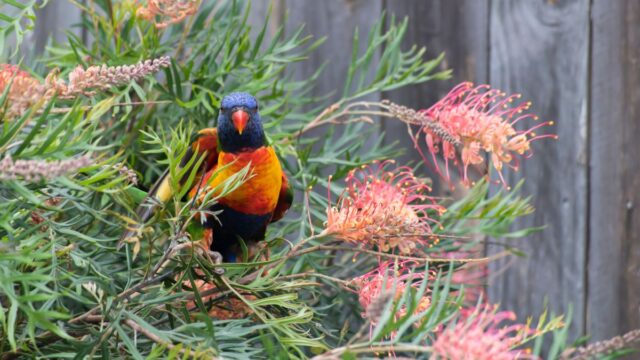
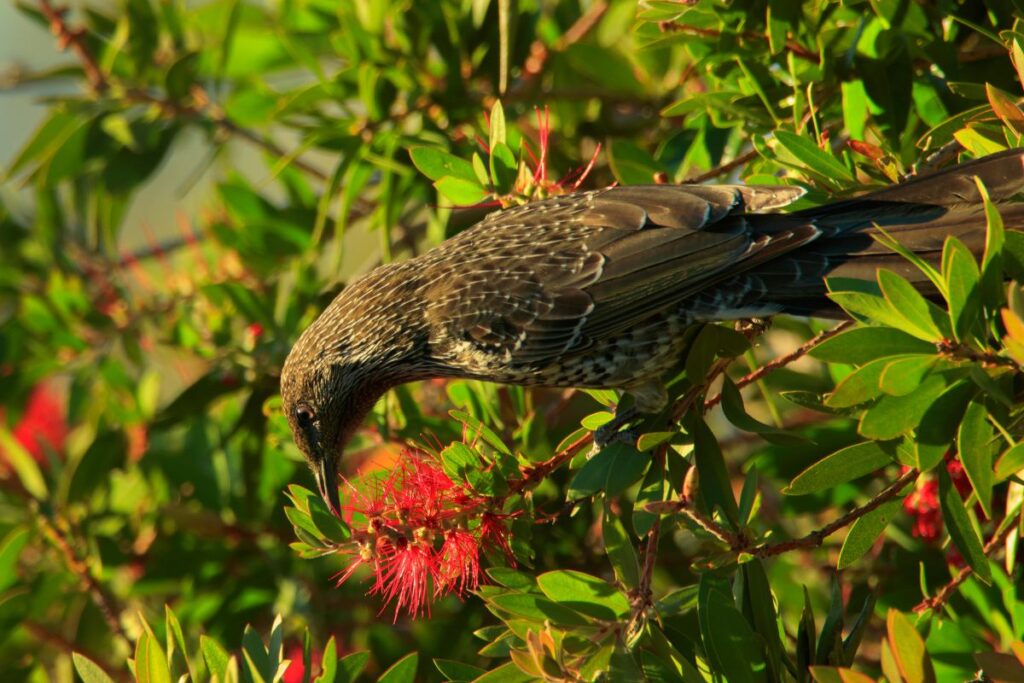
- Food: Flowering shrubs and trees like grevilleas, callistemons, and banksias produce nectar for honeyeaters, while grasses and fruiting species provide seeds and berries.
- Shelter and nesting: Dense shrubs give small birds safe hiding spots, and larger trees with hollows support parrots, kookaburras, and cockatoos.
- Insects: A mix of plants encourages a healthy insect population—essential food for insect-eaters like fairy-wrens and robins.
When a garden has layers—from canopy trees to shrubs and groundcovers—it creates a balanced mini-ecosystem. Every level attracts different species, and together they bring the garden to life.
What People Gain
Native gardens don’t just serve wildlife—they give back to us too. There’s the practical side: lower water bills, reduced maintenance, and plants that cope with local conditions. But there’s also something deeper. Watching seasonal flowers bloom, hearing birdsong in the morning, and seeing new life unfold creates a sense of connection that’s hard to find elsewhere.
Trees, especially, bring comfort and calm. They shade our homes, cool the air, and mark time through the year. Sitting beneath a marri or paperbark tree, surrounded by native shrubs buzzing with pollinators, I always feel more grounded and present.
Designing a Bird-Friendly Native Garden
Every region of Australia has its own palette of native plants and trees, so the best approach is to work with what grows naturally in your area. In Perth, for instance, banksias, grevilleas, and kangaroo paws add both beauty and birdlife. In Brisbane, bottlebrushes, lilly-pillies, and eucalypts thrive in subtropical gardens.
A few simple steps go a long way:
- Include a mix of trees, shrubs, and groundcovers to create layers of habitat.
- Add a birdbath or shallow water source, especially during dry months.
- Avoid pesticides and fertilisers that harm insects and pollinators.
- Use mulch, rocks, or logs to encourage lizards and insects—both part of a healthy food chain.
If space allows, even one or two trees can make a difference. A flowering gum or grevillea hedge might become a regular stop for honeyeaters. A tall eucalypt could host nesting parrots or a tawny frogmouth resting in the shade.
Finding Balance Between People and Wildlife
A well-planned native garden can be as welcoming to people as it is to birds. Shady seating under a canopy tree, winding paths between flowering shrubs, or a quiet corner for morning coffee all make the space enjoyable for us too.
It’s about sharing, not surrendering. When we plant with intention—thinking about both beauty and habitat—we create gardens that are more resilient, more sustainable, and far more alive.
Conclusion
Native gardens remind us that caring for nature doesn’t require a national park—it can start in our own backyard. By planting local species, keeping mature trees where possible, and designing with both people and wildlife in mind, we help rebuild the networks birds rely on.
Even small gardens can make a difference. A few flowering shrubs, a birdbath, or a single mature tree can turn a sterile yard into a sanctuary. And in return, we’re rewarded with colour, song, and the quiet satisfaction of knowing our space is part of something bigger.
When we garden with native plants and trees, we don’t just grow greenery—we grow connection. And that’s something both birds and people need.