
Western Australia is a vast state, stretching from the tropical Kimberley in the north to the windswept coastline of the Great Southern. With such extremes in climate, the birdlife shifts noticeably from season to season. As someone who’s spent countless hours birdwatching here, I’ve learned that paying attention to the time of year can make all the difference to what you’ll see.
This guide looks at some of the standout species that appear in summer and winter across WA, while keeping in mind that conditions vary hugely between the north, the southwest, and everything in between – even an urban area such as Perth offers plenty of great bird watching.
Why Seasons Matter
Birds are tied to seasonal rhythms—migration, breeding, and feeding patterns all respond to changes in temperature, rainfall, and food availability. Some species are resident year-round, but their behaviours change with the seasons. Others are migrants that only arrive for part of the year, travelling incredible distances to do so.
In WA, summer often means searing heat in the interior and long, dry days in the southwest. For the far north, it’s the wet season with heavy rain and high humidity. Winter flips the story: cooler and wetter in the south, while the north stays relatively dry and mild. These differences create opportunities for birdwatchers to see species at specific times and places.
Summer Birds
Summer can feel harsh in much of WA, but it’s also a time of colour and activity. Some of my favourite sightings happen in the warmer months.
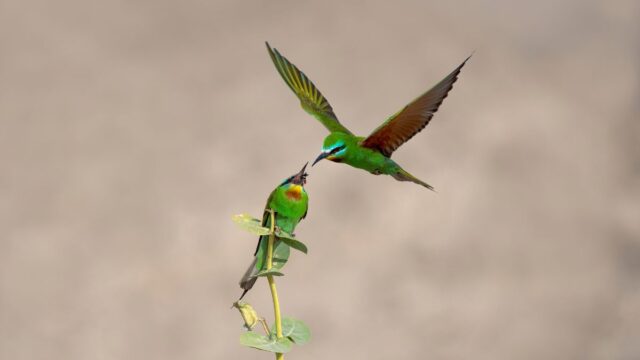
Rainbow Bee-eaters are one of the stars of summer. These stunning little birds migrate south from northern Australia and Asia to breed here. If you’re walking through sandy areas, keep an eye out for the burrows they dig to raise their young. Their bright plumage and acrobatic insect-catching flights are always a thrill to watch.
Another summer arrival is the Dollarbird, named for the round white patches on its wings that flash like silver coins in flight. They migrate from Papua New Guinea and Indonesia to breed in northern and central WA, and their glossy blue-green feathers catch the sunlight beautifully.
On the coast, colonies of Fairy Terns gather to breed in summer. These delicate seabirds can often be spotted nesting on sandy beaches, especially around the southwest coastline. They’re small, noisy, and endlessly busy as they fish and feed their young.
And of course, summer skies often carry the sight of Wedge-tailed Eagles soaring on thermals. While they’re present year-round, the rising heat creates perfect flying conditions, making them easier to spot as they circle above open country.
Winter Birds
When the cooler months arrive, the birdscape shifts again. For many of us in the southwest, winter is the season of the Carnaby’s Black-Cockatoo. These endangered cockatoos move into the Perth region and surrounding areas in search of food, feeding on banksia cones, pine seeds, and native grevilleas. Their calls echo across suburbs and farmlands, and for me, winter doesn’t feel complete without hearing them overhead.
Winter-flowering plants also draw in species like New Holland Honeyeaters and Singing Honeyeaters. They’re especially active around gardens, parks, and reserves where native shrubs provide nectar at a time of year when other food sources are limited.
Smaller insectivores, such as pardalotes, also seem more visible in winter as they busily forage in eucalypts. Their tiny size makes them tricky to spot, but their high-pitched calls give them away.
Along the coast, winter brings migratory seabirds like shearwaters. These long-distance travellers appear off WA’s shores as part of their global journeys, offering a reminder of how connected our birdlife is to the wider world.
Year-Round Residents with Seasonal Twists
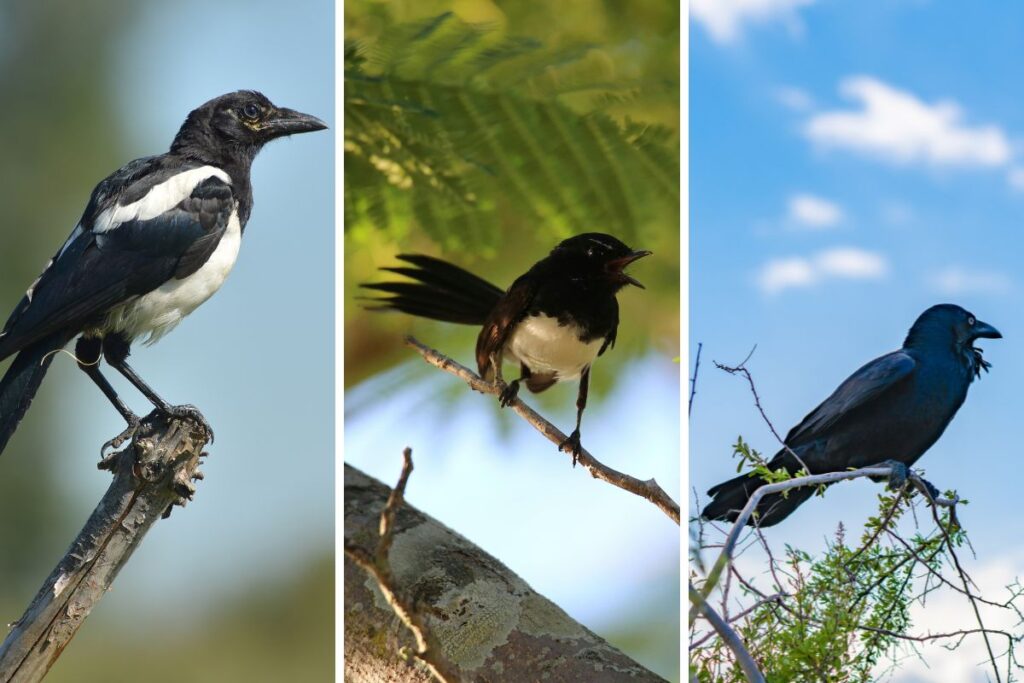
Not every bird disappears when the seasons change, but many shift their behaviours. Magpies are a classic example—present all year but especially noticeable in late winter and spring when they become territorial during breeding. Willie Wagtails are also active year-round, their tail-flicking antics familiar in backyards and parks, though they seem more vocal in the warmer months. Even the ever-present Australian Raven changes with the seasons, its calls carrying more during the quieter winter mornings.
Tips for Seasonal Birdwatching
One of the joys of birding in WA is the sheer variety from one region to another. To make the most of seasonal changes, I’d suggest:
- Timing your outings: Early mornings and late afternoons are always the best times, especially in the heat of summer.
- Planning for the region: Head north in the dry season (winter) for easier travel and great birding, while the southwest shines in spring and winter when flowers bloom and food is plentiful.
- Joining local groups: BirdLife Australia and community birdwatching clubs often run seasonal surveys and outings, which can help you learn what’s active at the moment.
- Keeping a journal: Tracking what you see across the seasons builds a personal record and makes birdwatching even more rewarding.
Conclusion
Western Australia’s birdlife is as diverse as its landscapes. Whether it’s rainbow bee-eaters and fairy terns in the heat of summer, or black-cockatoos and honeyeaters in the cool of winter, each season brings its own highlights. The sheer size of WA means no two regions are quite the same, and part of the adventure is discovering how birds adapt to local conditions. For me, tuning into these seasonal shifts is part of what makes birdwatching so special. It’s a reminder that nature moves in cycles, and that each time of year offers something new to notice. Wherever you are in WA—north, south, or somewhere in between—there’s always a reason to look up and see who’s sharing the season with you.