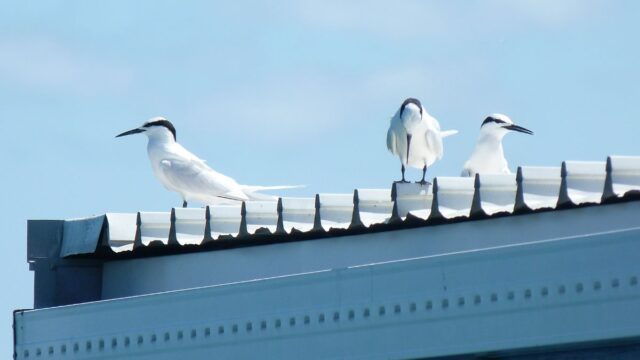
When most people look at rooftops, they think of tiles, gutters, or maybe the solar panels catching the sun. I’ve spent enough time birdwatching in cities to know there’s something else happening up there too. Rooftops, whether in Perth or any other Australian city, have become unexpected habitats for a surprising mix of birds. From agile swallows to noisy cockatoos, our urban skylines are alive with wings.
I like to think of rooftops as miniature ecosystems. They might not replace forests or wetlands, but they give certain species a safe, elevated spot to rest, nest, and watch the world below. Some of these birds are native Australians that have learned to live alongside us. Others are newcomers that thrive in almost any built environment. Let’s look at who you’re most likely to see sharing your rooftops.
Why Rooftops Work for Birds
Birds, like everyone else, need homes. Rooftops offer them protection from ground predators, height to spot prey or food, and in some cases, warm surfaces that make life a little more comfortable – just like a cosy home. Cities change the landscape dramatically, but they also create new opportunities. The tall sides of buildings act like cliffs, the eaves mimic natural ledges, and the scattered greenery of parks provides food sources. It’s no wonder so many species have made the shift to our built environments.
Native Birds on Rooftops
Some of our most recognisable native birds are now regular rooftop visitors.
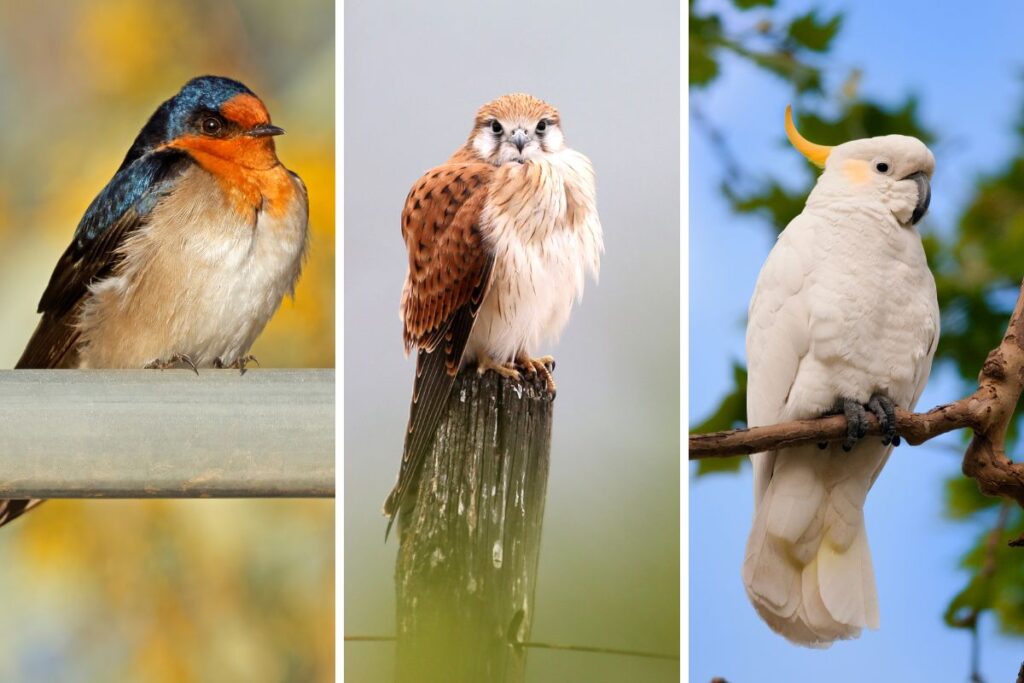
Take the Welcome Swallow. Their mud nests are often tucked under eaves or verandas, and it’s hard not to admire their fast, darting flights as they snap insects out of the air. They’re just as at home around a suburban roofline as they are near rivers or open paddocks.
Then there’s the Nankeen Kestrel, one of my personal favourites to spot. These small falcons are masters of hovering in the air before diving on their prey. In cities, tall buildings are the perfect substitute for cliffs, giving them the height they need to scan for small mammals and insects. It still amazes me to see a raptor so at home above the traffic lights and rooftops.
And of course, Cockatoos—whether it’s sulphur-crested cockatoos, galahs, or corellas—are impossible to ignore. They gather noisily in large groups, sometimes perching on rooftops as if they own the place. Their intelligence and curiosity make them fascinating, but it’s not always good news for homeowners. Cockatoos are known to chew timber, wiring, and even fittings around solar panels. I’ve heard more than a few stories from roofing contractors in Perth who’ve been called in to repair cockatoo-related roof damage. Still, their presence is such an iconic part of urban Australia that it’s hard to imagine our cities without them.
Invasive Rooftop Residents
Not all rooftop birds are native. The most obvious example is the feral pigeon, or rock dove. These birds were introduced in the 1800s and have since claimed every ledge, parapet, and solar panel frame they can find. Their adaptability is unmatched, and that’s part of the problem. Pigeons thrive in massive numbers, leaving droppings that can damage buildings and create hygiene concerns.
It’s worth pointing out that not all pigeons in Australia are pests. We have native species like the crested pigeon, which tends to prefer open ground and doesn’t gather in the same overwhelming numbers. But when it comes to rooftops, it’s the feral pigeons that dominate.
The Good and the Challenges for Roofing Maintenance
There’s a joy in seeing birds adapting to urban life. It reminds me that nature is never entirely pushed aside, even in the busiest city streets. Swallows flitting under rooftops, kestrels using skyscrapers as hunting towers, cockatoos chattering away at dusk—these are sights that connect us back to the wild.
But there are challenges too. Nesting in gutters can block drainage. Droppings from pigeons or cockatoos can wear away surfaces and leave roofs looking messy. In some cases, birds damage solar panels or wiring, creating headaches for homeowners. It’s a balancing act: appreciating the life above us while taking care of our properties.
Living Under the Same Roof
The good news is that coexistence is possible. Here are a few simple steps that make a difference:
- Encourage native birds by planting local shrubs and trees rather than feeding birds directly. This gives them safe food and shelter without creating overdependence.
- Provide water sources like bird baths in the garden, which can keep them from relying too heavily on rooftops for rest.
- Stay mindful of nesting seasons—many birds are protected, and interfering with nests is not only harmful but illegal in some cases.
- Keep up with roof and solar panel maintenance so small problems don’t become big ones. A professional inspection now and then can save both you and the birds from trouble.
Looking Up
Rooftops aren’t just part of the skyline—they’re part of a hidden city habitat. Some of our most beloved native species and a few stubborn invasive ones are right above our heads, using the structures we build in ways we rarely notice.
Next time you’re walking through Perth, Sydney, or any Australian city, take a moment to look up. You might see swallows dipping through the air, a kestrel hovering with purpose, or a cheeky cockatoo watching you with curiosity. Even pigeons, for all their reputation, tell a story of how adaptable life can be.
For me, spotting birds on rooftops is a reminder that nature and urban life are never entirely separate. Our cities are full of hidden wings if we only take the time to notice.