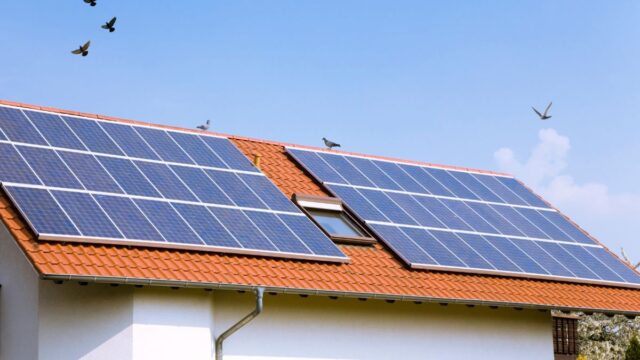
Australia has embraced solar like few other countries, and with good reason. In places like Perth, Melbourne, and beyond, rooftops glitter with panels making the most of our endless sun. But with all those new surfaces added to our built environment, one question I often hear—both from homeowners and fellow birdwatchers—is whether solar panels and birds can peacefully coexist.
The answer isn’t as simple as yes or no. There are plenty of myths, a few genuine risks, and some very practical solutions that allow both clean energy and healthy birdlife to thrive.
Common Myths About Solar Panels and Birds
Over the years I’ve heard some pretty wild claims about solar panels being universally bad for birds. One of the biggest myths is that solar panels are inherently dangerous, with the idea that birds collide with them or get trapped. In reality, most rooftop systems pose little risk of direct harm. Birds are intelligent, adaptable creatures, and in many cases they simply treat panels as another part of the urban landscape.
Another common misconception is that birds avoid areas with solar panels altogether. If you’ve ever seen a cockatoo perched happily on a rooftop array, you’ll know that’s not the case. In fact, some species are a little too comfortable around panels.
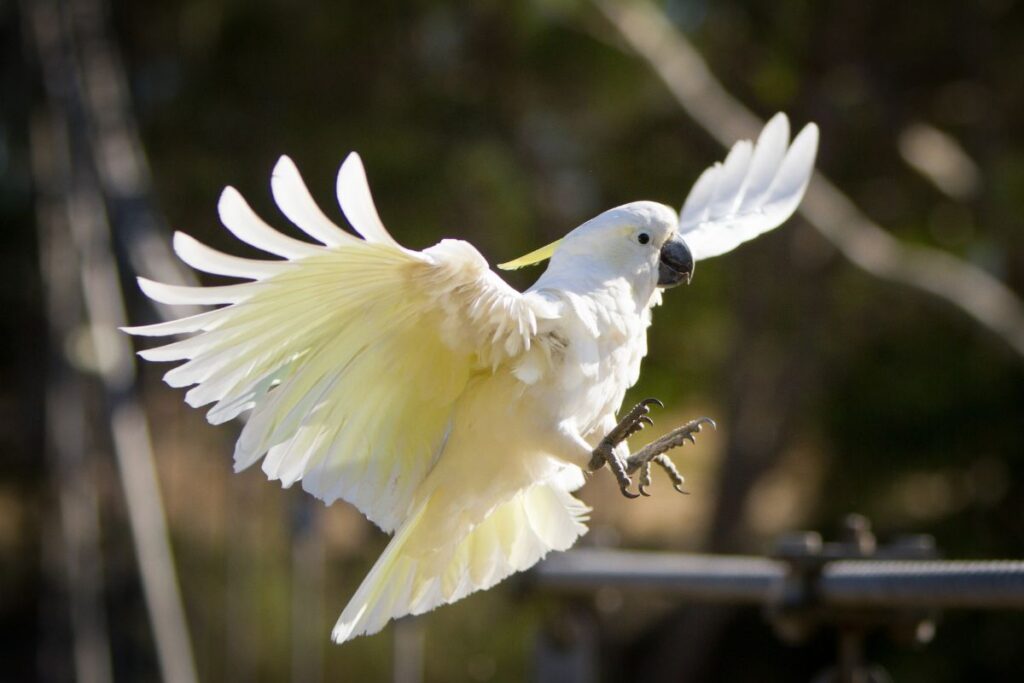
And finally, I’ve heard people say solar farms or large rooftop installations drive birds away from their habitats. While there can be issues with big reflective surfaces in desert areas overseas, here in Australia the research suggests most native birds adapt quite quickly. Problems, when they arise, tend to be specific to certain species or poor design choices.
The Actual Risks
That’s not to say solar and birds never clash. They do, but often in predictable ways.
The most common issue I’ve come across is nesting underneath panels. Pigeons, in particular, love the sheltered space between a roof and a solar array. Once established, they leave behind droppings and nesting materials that can block drainage or even create fire risks. Cockatoos can also cause headaches—they’re notorious for chewing wiring and fittings out of curiosity.
There’s also the build-up of droppings, which reduces the efficiency of panels. This is less about direct harm to birds and more about maintenance for homeowners. It’s one reason professional services like solar panel pressure cleaning in Melbourne and other cities are growing in demand. Regular cleaning not only restores performance but also deters birds from sticking around.
Reflection and glare are sometimes raised as risks, but in reality this is rare on residential rooftops. It tends to be more of a concern with very large installations, and even then, proper panel design usually prevents problems.
Designing Bird-Friendly Solar Setups
What I’ve learned is that most issues aren’t about birds versus solar—it’s about installation choices. A well-designed system can minimise conflict and still generate plenty of clean power.
- Professional installation matters. Secure mounting reduces gaps where pigeons can nest. Panels installed too loosely or with large gaps underneath are far more inviting to birds.
- Protective mesh or guards can be fitted around the edges to keep birds from accessing the space beneath panels. They’re discreet and effective.
- Using durable materials and cabling makes a difference too, especially in places like Perth where cockatoos are known for their destructive curiosity.
- Finally, regular roof maintenance is essential. Partnering with experienced roofing contractors in Perth or local solar specialists ensures small problems are fixed before they become major ones.
For me, these aren’t just technical fixes—they’re part of designing a home that works with nature, not against it.
The Bigger Picture: Why Solar Helps Birds
It’s worth remembering why solar exists in the first place. By switching to clean energy, we reduce greenhouse gas emissions, cut down on pollution, and lower our reliance on fossil fuels. That has enormous benefits for birdlife, especially species affected by climate change and habitat destruction.
Think of migratory shorebirds that depend on healthy coastlines, or black cockatoos in WA whose feeding habitats are already under pressure. Every tonne of carbon saved through renewable energy helps ease the strain on ecosystems they rely on. In this sense, solar panels aren’t a threat to birds—they’re part of the solution.
And on a smaller scale, households that go solar often embrace other sustainable choices too. Native gardens, water conservation, and habitat-friendly design all create a richer environment for local wildlife. I love the idea that a rooftop full of panels can sit alongside a backyard full of flowering natives, with honeyeaters and fairy-wrens visiting daily.
Conclusion
So, do solar panels and birds mix? The truth is, they already do. In most cases, panels are just another perch or shaded nook in a city full of them. The real challenges—nesting pigeons, cockatoo damage, or dirty panels—are problems with practical fixes. Mesh guards, sturdy materials, professional cleaning, and smart design all keep things in balance.
What excites me is that solar isn’t just about powering homes; it’s about creating a sustainable future where people and wildlife both benefit. With thoughtful choices, we can have rooftops that capture the sun’s energy while still leaving room for the birds above us.
Next time you see a cockatoo strutting across a panel or a swallow swooping nearby, take it as a reminder: our cities are shared spaces. And with care, they can support both clean energy and the feathered life that makes Australia so unique.